
Throughout history, societies have layered their notions of power and wealth beneath a veil of symbols and natural phenomena. These elements serve as subtle yet potent indicators of authority, status, and resource control, often conveying messages that transcend mere appearance. Understanding these hidden signs provides insight into societal hierarchies, cultural values, and the underlying strategies that sustain dominance.
This article explores how symbols and nature act as representations of power, highlighting historical and modern examples, including the intriguing practice of royal fishing, which exemplifies the timeless connection between resource control and societal status.
- The Language of Symbols: Conveying Power and Wealth
- Nature as a Manifestation of Hidden Wealth and Power
- Exploitation of Natural Resources: Modern Practices and Consequences
- Psychological Dimensions of Wealth and Power
- Royal Fishing as a Cultural and Historical Symbol of Power
- Natural Resilience and Regeneration as Symbols of Hidden Power
- Hidden Wealth and Power in Modern Society: From Symbols to Ecosystems
- Ethical and Future Perspectives
- Conclusion
The Language of Symbols: Conveying Power and Wealth
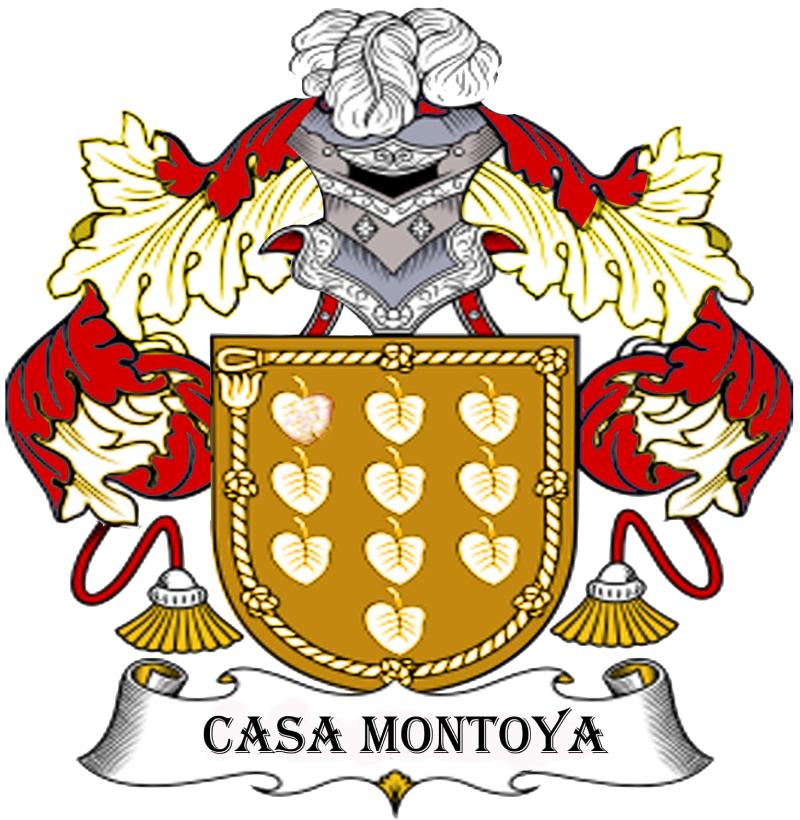
Historically, symbols have played a crucial role in representing authority within monarchies and aristocratic societies. Heraldic crests, royal insignia, and elaborate regalia served as visual cues of legitimacy and dominance. For example, crowns, scepters, and thrones are not merely ceremonial objects but powerful symbols that communicate sovereignty and control over land and people.
In architecture and ritual, symbols often reinforce social hierarchy. The grandeur of palaces, cathedrals, and temples—adorned with motifs of lions, eagles, or divine figures—reflect societal values and hierarchical structures. These symbols were carefully crafted to impress and intimidate, asserting the ruler’s divine right and economic power.
In contemporary society, the meaning of symbols has evolved but remains influential. Logos, branding, and cultural icons serve as modern symbols of power, with corporations and nations adopting visual identities that evoke stability, prestige, or innovation. For instance, luxury brands like Louis Vuitton or Rolex use symbols that evoke exclusivity and wealth, subtly aligning with historical notions of authority.
Nature as a Manifestation of Hidden Wealth and Power
Natural phenomena often symbolize strength, resilience, and dominance. The towering mountain peaks, roaring waterfalls, and vast oceans have historically represented the formidable power of nature—analogous to societal authority. These landscapes serve as metaphors for human and collective strength, reminding us of the resourcefulness inherent in the natural world.
Biological examples further illustrate natural resourcefulness. The starfish, for instance, can regenerate lost arms, symbolizing resilience and renewal. Scientific research shows that some species possess regenerative powers that surpass human capabilities, hinting at the hidden strength and adaptability of ecosystems.
Ecological behaviors, such as predator-prey dynamics or resource allocation in ecosystems, reflect underlying strategies for survival and dominance. These natural «games» often mirror societal hierarchies, where control over resources and resilience determine long-term stability and power.
Exploitation of Natural Resources: Modern Practices and Consequences
Modern human activities have intensified the exploitation of natural resources, often driven by the pursuit of wealth. Explosive fishing techniques—such as blast fishing or cyanide fishing—are designed to maximize short-term catches. These methods are motivated by the lucrative market for seafood, especially in regions where access to resources signifies economic power.
However, these destructive practices cause substantial environmental damage. Coral reefs, vital to marine biodiversity, suffer irreparable harm from such methods, leading to a decline in fish populations and ecosystem resilience. The paradox lies in the short-term gains achieved at the expense of long-term sustainability, threatening the very wealth these societies seek to consolidate.
| Fishing Method | Motivation | Environmental Impact |
|---|---|---|
| Blast Fishing | Maximize catch volume quickly | Severe reef destruction, biodiversity loss |
| Cyanide Fishing | Capture valuable species like live fish | Coral damage, ecosystem imbalance |
Psychological Dimensions of Wealth and Power
Humans have an intrinsic tendency to display wealth and status through possessions and symbols. Collection of luxury items, titles, or artifacts often functions as a social signal, asserting one’s position within societal hierarchies. This drive is rooted in psychological needs for recognition, security, and belonging.
Research in social psychology indicates that individuals derive self-esteem from possessions that are perceived as symbols of success. For example, owning a prestigious car or wearing designer clothing can serve as a visible marker of wealth, influencing others’ perceptions and reinforcing social stratification.
This psychological drive extends beyond individual choice, shaping societal norms and hierarchies. Societies often valorize symbols of power—such as titles, insignia, or land ownership—creating a system where visible markers reinforce social status and influence.
Royal Fishing as a Cultural and Historical Symbol of Power
Among the many symbols of authority, royal fishing traditions exemplify a longstanding link between resource control and social hierarchy. Historically, monarchs and aristocrats engaged in exclusive fishing practices—such as fishing in private lakes or rivers—signifying their dominion over natural resources.
These practices were often accompanied by elaborate rituals and served as displays of wealth and social status. The act of catching rare or prized species, like sturgeon or salmon, was not merely about sustenance but about demonstrating power and privilege. Such traditions reinforced the social order, positioning the elite above common society.
Today, luxury fishing expeditions continue this tradition. Modern examples include high-end trips to remote or exclusive locations, such as the Royal Fishing – official site. These activities symbolize exclusivity and control over natural wealth, serving as contemporary displays of societal status and economic power.
Natural Resilience and Regeneration as Symbols of Hidden Power
Biological examples of resilience, such as the starfish’s remarkable ability to regenerate lost limbs, serve as powerful metaphors for hidden strength. These species demonstrate that apparent vulnerability can conceal formidable regenerative capabilities, embodying the idea that true power often lies beneath the surface.
Interpreting regenerative abilities as symbols reveals lessons applicable to human societies. Just as ecosystems recover from disturbances, societies that prioritize sustainability and renewal can harness resilience to sustain long-term power. Recognizing and respecting natural capacities for regeneration emphasizes the importance of balance and humility in resource management.
«The true strength of an ecosystem—and by extension, a society—lies in its ability to recover and adapt, often hidden beneath the surface of apparent vulnerability.»
Hidden Wealth and Power in Modern Society: From Symbols to Ecosystems
Modern societal values continue to assign worth through symbols, but ecological metaphors increasingly influence perceptions of power. Understanding natural ecosystems—like coral reefs or forests—as sources of wealth shifts focus from purely material possessions to sustainable resource management.
Practices such as luxury fishing excursions exemplify this shift. These activities, often associated with exclusivity, also highlight the importance of ecological health. When societies recognize that natural resilience and biodiversity underpin long-term wealth, there is potential to redefine power as stewardship rather than domination.
The concept of Royal Fishing illustrates this dynamic—where control over natural resources becomes a symbol of societal prestige but also underscores the need for sustainable engagement with ecosystems.
Ethical and Future Perspectives
Exploiting symbols and natural resources raises significant ethical questions. The pursuit of short-term gains often leads to environmental degradation, threatening the very foundations of societal wealth. Respecting natural resilience and regenerative capacities is essential for sustainable development.
Future strategies should aim to transform displays of power from destructive exploitation into models of stewardship and renewal. Incorporating ecological knowledge into cultural practices fosters a balanced relationship with nature—ensuring that symbols of authority do not come at the expense of long-term sustainability.
Conclusion: Recognizing the Hidden Wealth and Power in Symbols and Nature
The interconnectedness of symbols, natural phenomena, and societal power reveals a layered narrative: what appears to be superficial often conceals profound strength. From royal insignia to ecological resilience, these signs serve as reminders that true wealth and authority are often hidden beneath surface appearances.
Awareness of these deeper meanings encourages a more responsible engagement with our cultural symbols and natural resources. By respecting and understanding the subtle messages conveyed through symbols and ecosystems, societies can foster a sustainable and equitable future rooted in the recognition of genuine power—both seen and unseen.